
Top 10 Soft Enamel Pins Manufacturers for Global Buyers

Time:2026-09-15 Author:Aria
0%

Choosing the right Soft Enamel Pins manufacturer involves more than comparing catalog photos and unit prices. Global buyers must examine sampling procedures, metal quality, color accuracy, plating options, backing security, packaging, and production consistency. A polished sample can hide weak details. Ask for close-up photos, physical samples, and a clear pre-production approval process.

Experienced pin designer Aaron Draplin often shares a practical design principle: “Make something you’d want to keep.” That idea matters here. A durable pin should feel balanced in the hand, with clean metal lines, even enamel fills, and a clasp that does not loosen after repeated use. Suppliers should also communicate realistic lead times, minimum order quantities, artwork requirements, and shipping conditions. Clear communication is part of quality.

This guide reviews ten Soft Enamel Pins manufacturers serving international buyers. The comparison considers manufacturing experience, customization range, quality controls, production capacity, buyer support, and export readiness. It also considers less visible risks, such as inconsistent color matching or rushed proof approval. Those problems may seem small. They can damage a brand’s reputation.

No supplier is perfect. That deserves attention. A factory may offer low pricing but limited design guidance. Another may provide excellent finishing but require larger orders. Buyers should request quotations from several manufacturers and evaluate total value, not only the cheapest offer. Reliable sourcing depends on evidence, patience, and a willingness to question attractive promises.
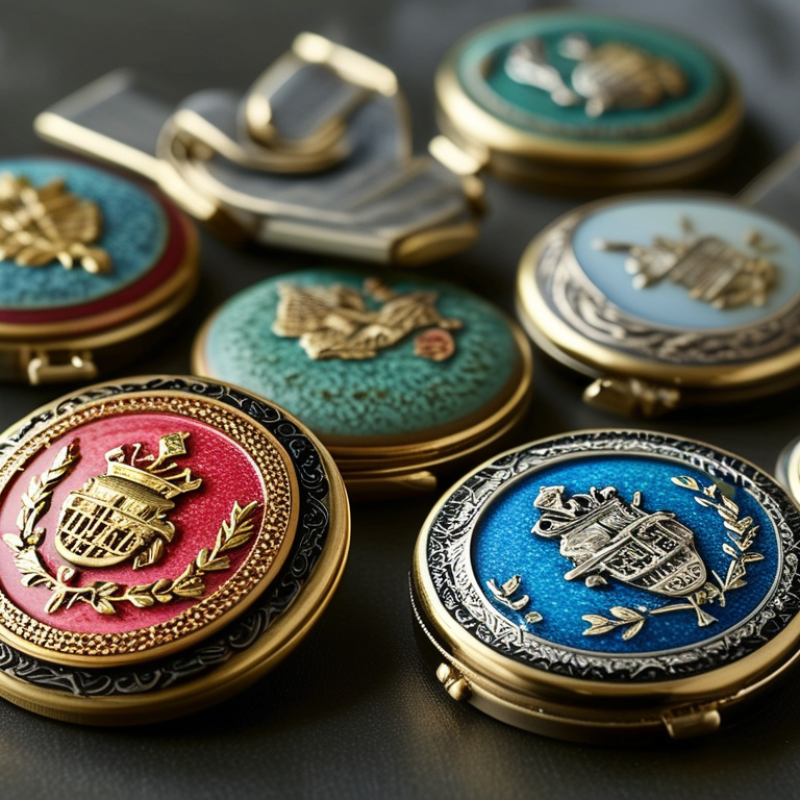
Top 10 Soft Enamel Pins Manufacturers for Global Buyers

What Are Soft Enamel Pins and Why Do Global Buyers Choose Them?

Soft enamel pins are small metal badges filled with colored enamel, leaving shallow recessed areas and raised outlines. Their uneven surface creates a noticeable, tactile finish. Unlike hard enamel pins, they do not polish completely flat. That slight texture is often the point.

Global buyers choose them for practical reasons. Soft enamel usually supports vivid color separation, flexible artwork, and lower production costs. It also works well for uniforms, event merchandise, collector sets, and retail packaging.

According to the ASI 2023 Ad Impressions Study, 85% of consumers recalled an advertiser after receiving a promotional product. The same report found that promotional items generated thousands of impressions during their usable life. These findings help explain why compact, wearable products remain commercially attractive.

However, buyers should inspect more than a digital mock-up. Metal thickness, backing security, color accuracy, and plating quality can vary between manufacturers. Small details matter. A thin border may disappear after production. Pantone matching can also shift under different lighting.

The PPAI consumer research published in 2023 reported strong consumer acceptance of useful and attractive promotional products, but “useful” does not mean universally desirable. Some customers find pins too niche or easy to misplace.

Requesting a physical sample, a measurable tolerance sheet, and clear inspection photos is wiser than trusting a perfect render. The best manufacturers explain these limitations before accepting the order.

How to Evaluate Soft Enamel Pin Manufacturers Worldwide

Choosing among the top 10 soft enamel pin manufacturers requires more than comparing prices. I examine physical samples, not only online galleries. The metal should feel solid, with clean edges and even plating. Enamel lines must stay sharp without visible overflow. Small details often reveal production discipline.

Ask each manufacturer for a mold proof, color chart, and sample timeline. Reliable suppliers explain their process clearly. They should confirm metal thickness, pin size, backing type, packaging, and acceptable defect rates. Request close-up photos under natural light. Better still, order a paid sample before placing a large order. One sample I reviewed looked excellent from the front, but its clasp loosened after repeated handling. That mistake changed my inspection checklist.

Communication is another practical test. A professional manufacturer answers technical questions directly and records revisions accurately. Check whether factory photos, material details, and inspection records match the delivered sample. Consistent quality matters more than a low first quotation. Ask how they handle color variation, damaged pieces, and late production. Their response shows accountability. I also review production capacity during busy seasons, because rushed finishing can create uneven borders and weak attachments. Some suppliers promise everything; that is not always reassuring. A careful manufacturer admits limitations and suggests realistic adjustments. Small details matter.

Which Production Capabilities Matter Most for International Orders?

When evaluating soft enamel pin manufacturers, international buyers should examine production capabilities before comparing prices. A clear sampling process matters. The manufacturer should provide digital artwork checks, mold confirmation, and physical samples before mass production. Small details, such as recessed metal lines and color separation, can change the final appearance.

Color control is equally important. Experienced manufacturers use standardized color references and record approved samples for future orders. Their teams should explain plating options, pin sizes, backing types, and minimum order quantities in plain language. I also look for reliable quality checks at several stages, including mold inspection, enamel filling, polishing, and packaging. One final inspection is rarely enough.

International orders need more than attractive products. Manufacturers should offer stable monthly capacity, protective packaging, export-ready documents, and realistic lead times. Clear communication helps when artwork changes or shipping schedules move. Ask for production photos, sample records, and defect-handling procedures. These details reveal practical experience.

No sample process is perfect. I have seen minor color differences appear between samples and large batches, especially with handmade filling. That risk should be discussed early, not hidden behind confident promises. A capable supplier admits limitations and proposes workable controls. Small orders can test consistency before a larger commitment. Sometimes, the cheapest quotation costs more through delays, rework, or damaged packaging.

How to Compare Quality, Pricing, Customization, and Lead Times

Top 10 Soft Enamel Pins Manufacturers for Global Buyers

Choosing among leading soft enamel pin manufacturers requires more than comparing online prices. Request a physical sample before placing a large order. Inspect the metal edges, enamel fill, pinback strength, and plating consistency. A reliable manufacturer should provide clear specifications, production photos, and quality inspection details. Uneven borders or shallow color areas often reveal rushed finishing.

Pricing depends on mold fees, metal size, plating, enamel colors, attachments, packaging, and shipping. Compare complete quotations, not only the unit price. Ask whether revisions, sample delivery, and customs documents are included. Customization may cover unusual shapes, numbered packaging, glitter enamel, or multiple backing options. Confirm color references carefully, because screen colors can mislead. I have found that a cheaper quote sometimes creates higher correction costs later.

Tips: Send vector artwork, exact dimensions, color references, and the required quantity. Ask for a pre-production sample and a written lead-time schedule. Typical production may take two to four weeks after artwork approval, while complex designs need longer. Separate sample time, manufacturing time, and shipping time. Leave a buffer for holidays or inspection delays. Be realistic. Fast production is not always better, and even experienced buyers can underestimate packaging or approval time.

What Should Buyers Check Before Selecting a Manufacturer?

Before selecting a soft enamel pin manufacturer, buyers should inspect more than online photos. The 2023 ASI Ad Impressions Study found that promotional products generate about 3,331 lifetime impressions on average. Small defects can therefore remain visible for years. Request physical samples, not only digital proofs. Check enamel depth, metal edges, plating consistency, pin alignment, and rubber or clutch backing. Ask whether the factory controls mold making and final inspection internally. Clear answers usually indicate stronger production experience.

Tips: Send a measured artwork file with Pantone references, line widths, plating requirements, and packaging details. Confirm the minimum order, sample fee, mold ownership, defect tolerance, and replacement policy in writing. Ask for inspection photos before shipment. A reliable supplier should explain lead times for sampling, production, and transport separately. Do not accept “best quality” as a measurable standard.

Professional buyers should also review audit records, quality procedures, material declarations, and export documentation. ISO 9001 certification can support process control, but it does not guarantee clean edges or accurate colors. I have seen approved samples differ from mass production. That risk deserves a written approval checkpoint. The 2024 Promotional Products Association International research also highlights the importance of product usefulness and perceived quality in recipient response. A lower quotation may hide thinner metal, weaker attachment parts, or rushed inspection. Compare complete landed costs, not unit price alone.

FAQS

What are soft enamel pins?

Soft enamel pins are small metal badges filled with colored enamel. Raised metal outlines separate the colors. Their surface feels slightly uneven. That texture is intentional.

Why do global buyers choose soft enamel pins?

They offer vivid color separation and flexible artwork. Production costs are often lower than fully polished alternatives. They suit uniforms, events, collector sets, and retail packaging.

How can buyers compare manufacturer quality?

Request a physical sample before placing a large order. Check metal edges, enamel depth, plating, pin alignment, and backing strength. Digital renders are not enough.

What details should artwork include?

Send vector artwork with exact dimensions and color references. Include line widths, plating preferences, backing choices, and packaging details. Thin borders may disappear during production.

What affects the total price?

Mold fees, pin size, plating, enamel colors, attachments, packaging, and shipping affect pricing. Compare complete quotations. A cheaper unit price may create expensive corrections later.

How long does production usually take?

Standard production may take two to four weeks after artwork approval. Complex shapes often need more time. Separate sampling, manufacturing, and shipping schedules. Leave holiday delays aside.

What should buyers confirm in writing?

Confirm minimum order quantities, sample fees, mold ownership, defect tolerances, and replacement policies. Request a written approval checkpoint before mass production. Verbal promises can become unclear.

How can buyers reduce color and inspection problems?

Use physical samples and clear color references. Screen colors can look different under warehouse lighting. Request inspection photos before shipment. Even approved samples may differ slightly from mass production. That risk deserves attention.

Conclusion

This guide explores why Soft Enamel Pins remain a popular choice for global buyers seeking affordable, attractive, and highly customizable promotional or collectible products. It explains their distinctive textured finish, flexible design options, and suitability for logos, artwork, events, organizations, and retail collections. Readers will also learn how to evaluate manufacturers by reviewing their production experience, communication, quality control systems, material options, and ability to manage international orders consistently.

The article compares the factors that most influence a purchasing decision, including product quality, pricing transparency, customization capabilities, minimum order quantities, sampling procedures, packaging, and lead times. It also highlights important checks before selecting a manufacturer, such as confirming artwork requirements, requesting samples, clarifying revision policies, verifying inspection procedures, and discussing shipping arrangements. By considering these points together, buyers can more confidently identify a reliable production partner and reduce avoidable risks throughout the ordering process.

Aria

Aria

Aria is a dedicated marketing professional with a deep passion for innovative strategies and a keen understanding of our company's product offerings. With a wealth of experience in the industry, Aria excels at crafting engaging content that highlights the unique features and benefits of our......