
7 Tips for Sourcing Hard Enamel Pins in Bulk

Time:2026-11-05 Author:Aria
0%

Hard Enamel Pins look small, but bulk orders leave little room for guesswork. A color that shifts under bright light, a clasp that loosens, or a scratched finish can affect hundreds of pieces. Buyers need more than an attractive mockup. They need clear specifications, a responsive supplier, and quality checks before production begins.

The 2023 ASI Ad Impressions Study reports that 85% of consumers remember the advertiser associated with a promotional product. That finding offers useful context for branded merchandise, although it does not measure enamel pins specifically. The distinction matters. A pin’s value depends on its design, durability, and whether people actually want to wear or collect it. Small details count. Seven practical sourcing tips can help buyers compare suppliers, check samples, confirm minimum order quantities, and understand costs beyond the quoted unit price. Ask about metal plating, color matching, backing options, packaging, and inspection standards. Request production timelines in writing, too. An appealing sample is not a guarantee that a large order will match it. I have seen buyers focus on unit cost and overlook freight, revisions, or sample approval. That is easy to do. A little skepticism helps. This guide breaks the process into decisions you can verify before committing, so your next bulk order is better planned—not merely cheaper.
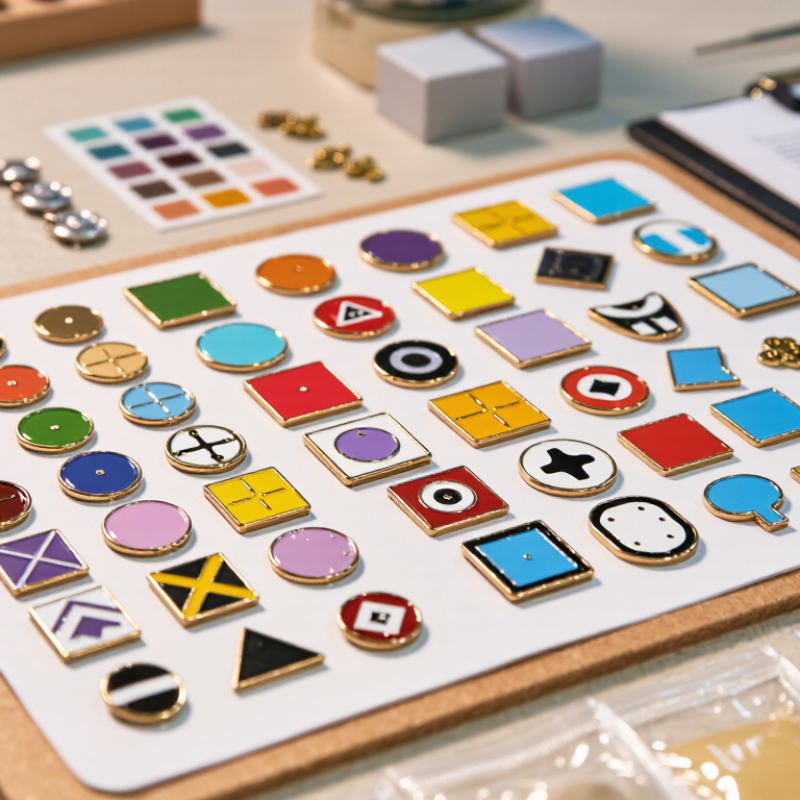
7 Tips for Sourcing Hard Enamel Pins in Bulk

Define the Specifications and Intended Use of the Pins

Before requesting quotes, define what the pin must do. A 25 mm lapel pin for event staff needs different choices from a 40 mm keepsake sold in a museum shop. Note the audience, wear location, expected handling, and order quantity. Small details matter. A sharp silhouette may snag knitwear, while a broad, flat shape can suit a backpack or display board. Specify finished width and height, thickness, colors, metal plating, backing, and individual packaging. Intended use also affects acceptable weight and edge finish.

Grand View Research’s Promotional Products Market Size report estimated the global market at USD 26.3 billion in 2023. That broad category includes many products, not pins alone, but it shows how important clear production briefs can be at scale. For wearable pins, request secure clutch backs and test a sample on the intended fabric. For retail or collecting, check color separation, polished edges, packaging, and consistency across repeat orders. State tolerances; a screen mock-up cannot show every finish accurately. I’ve learned that “standard size” is not a specification. It can invite avoidable revisions. A heavier pin may feel premium, yet pull on thin fabric. Check the fit.

Set Quantity, Budget, and Production Requirements

Before requesting quotes for hard enamel pins, decide how many finished pieces you actually need. Include packaging, staff gifts, and likely replacements in your estimate. A run of 100 may have a higher unit price than 500, but ordering extra only makes sense if you can store and use them. Ask for pricing at several quantities, such as 100, 250, and 500. Compare the total cost, not just the per-pin figure. Set a firm budget that includes setup, shipping, and possible sample fees. Leave a small reserve; freight estimates can change.

Write down production requirements before approving a quote. Specify pin width and height, metal plating, colors, backing style, and attachment type. For example, a 32-millimeter pin with a butterfly clutch is clearer than “small, standard pin.” Send clean artwork and ask how thin lines or tiny text will appear after enamel is filled. A digital proof helps, but it cannot always show the final feel. Request a physical sample when color accuracy or surface finish matters. That matters. Check the sample beside your artwork under ordinary lighting, and note any differences before mass production. Confirm the expected schedule, proof-approval deadline, and how defects or quantity shortages are handled. I would not assume every detail is obvious; vague specifications can save a few emails, then cost time later.

Compare Suppliers, Materials, and Manufacturing Capabilities

Tip 1: Compare suppliers using the same design brief. Ask for metal options, pin thickness, plating choices, and sample costs. Hard enamel is filled into recessed areas, then polished flat, so clean outlines and even color matter. Request close-up photos of finished samples. Tiny gaps can be easy to miss.

Tip 2: Check materials and finishing details, not just the quoted price. Ask whether the supplier can provide a material specification and explain how plating is applied. Compare color consistency, smoothness, and the back attachment on physical samples. A low price may exclude useful checks, so confirm exactly what inspection is included.

Tip 3: Test manufacturing capability before ordering in bulk. Ask about mold approval, sample revisions, production capacity, lead time, and the process for handling defects. Send a simple design first. Review the sample under bright light and run a finger across its surface. One caveat: sample quality does not guarantee every pin will be identical. For larger orders, agree on acceptable color and finish variations in writing before production begins.

7 Tips for Sourcing Hard Enamel Pins in Bulk: Compare Base-Metal Density

Base-metal density affects a pin’s weight, which can influence shipping and how substantial a finished pin feels. Copper is about 8.96 g/cm³, iron about 7.87 g/cm³, and brass varies by alloy; 8.55 g/cm³ is shown here as a representative value. Density alone does not determine quality, so compare material, finish, tolerances, and production capabilities with suppliers.

Review Samples, Artwork, and Quality-Control Standards

When sourcing hard enamel pins in bulk, inspect a physical sample before approving production.

A digital proof cannot show the real shine, weight, or feel of the metal. Check color under neutral lighting, and compare it with the approved artwork. Small details matter. Look closely at lettering, thin outlines, and small gaps between enamel sections. Confirm that the pin back sits straight and that the clutch holds firmly. Request a sample made with the same materials and finish planned for the order. A sample using different plating may give a misleading impression.

Agree on artwork and quality-control standards before placing the order.

Ask for a proof showing color divisions, line thickness, pin dimensions, and placement of the backing. Clarify how the factory will handle visible scratches, uneven enamel, sharp edges, and loose fittings. Set acceptable limits in writing, and request clear photos of inspection findings. A minor color shift can be hard to judge from a screen, so keep a physical color reference when possible. It is tempting to approve a proof quickly, but that can leave small lettering unreadable on the finished pin. Build time into the schedule for sample changes and a final inspection.

Confirm Production Timelines, Packaging, and Shipping Details

A production date is only useful when you know what it includes. Ask for a written schedule covering proof approval, stamping, enamel filling, polishing, plating, inspection, and dispatch. Confirm when the clock starts; many suppliers begin production only after artwork approval. Keep one person responsible for approving the final proof, including pin size, colors, and backing details. Small revisions can cost days. Leave extra time for them.

Packaging and shipping deserve the same attention as the pins. Specify whether each pin needs an individual bag, backing card, or protective sleeve. Confirm the quantity per carton and ask for carton dimensions and weight. This helps you plan storage and estimate freight costs. Check the shipping method, tracking availability, and estimated delivery window. Dispatch is not arrival. If the pins are for an event, schedule delivery with a buffer rather than relying on the earliest estimate. It is easy to overlook packaging details when reviewing a sample; a neat single pin does not show how a full carton will travel. Ask for packing photos before shipment, and keep the timeline and shipping terms in writing.

FAQS

What should I ask suppliers before comparing quotes?

Send each supplier the same design brief. Ask about metal options, pin thickness, plating, and sample costs.

How can I judge hard enamel sample quality?

Check clean outlines, even color, and a flat, polished surface. Look for tiny gaps under bright light. They hide easily.

Is a low quote enough to choose a supplier?

No. Ask what inspection is included and request material details. Compare physical samples for smoothness, color, plating, and backing.

What should I inspect on a physical sample?

Compare its colors with approved artwork under neutral lighting. Check small lettering, thin outlines, sharp edges, and the pin back. Feel the surface.

Does an approved sample guarantee every pin will match?

No. A sample cannot guarantee identical bulk production. Agree in writing on acceptable color and finish variations before ordering.

What quality standards should I confirm before production?

Specify limits for scratches, uneven enamel, and loose fittings. Request clear inspection photos and keep a physical color reference if possible.

What should a production timeline include?

Ask for dates covering proof approval, stamping, filling, polishing, plating, inspection, and dispatch. Confirm when production begins. Small edits cost days.

How can I plan packaging and delivery?

Specify bags, backing cards, or sleeves. Confirm carton quantity, dimensions, weight, tracking, and the estimated arrival window. Dispatch is not arrival.

Why should I leave extra time for sample changes?

Small lettering can look readable on screen but become unclear on the pin. I still find this easy to overlook. Build in time.

Conclusion

Sourcing Hard Enamel Pins in bulk starts with a clear plan. Define the pins’ purpose, design, size, colors, finish, and any functional details so suppliers can understand what you need. Then set a realistic order quantity and budget, and clarify production requirements such as materials, construction, and acceptable variations. Comparing several suppliers can help you assess their equipment, experience, communication, and ability to meet your specifications.

Before placing a full order, review a sample and carefully check the artwork, color matching, surface finish, and overall workmanship. Ask how quality will be inspected and what standards will be used throughout production. Finally, confirm the schedule for proofs, manufacturing, and delivery, along with packaging options, shipping arrangements, and any costs that could affect your budget. Clear expectations at each stage help reduce surprises and make it easier to receive pins that match your design and timeline.

Aria

Aria

Aria is a dedicated marketing professional with a deep passion for innovative strategies and a keen understanding of our company's product offerings. With a wealth of experience in the industry, Aria excels at crafting engaging content that highlights the unique features and benefits of our......