
How to Source Custom Enamel Pins in Bulk?

Time:2026-09-20 Author:Mason
0%

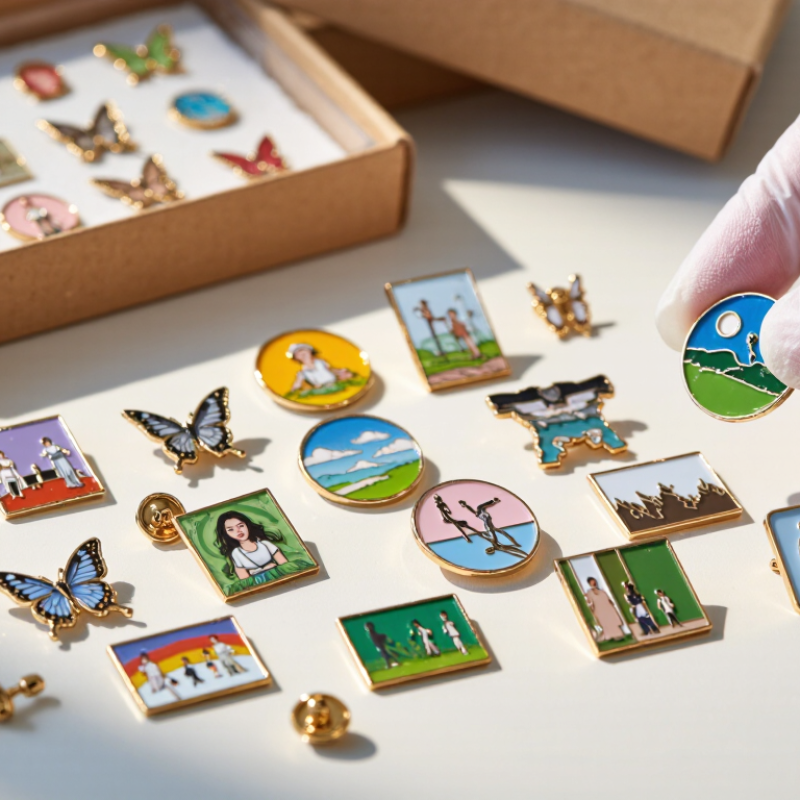
Sourcing custom Enamel Pins in bulk looks simple until small production details affect the final cost. A polished product begins with a clear brief, not a rushed quotation. Define the artwork, pin size, metal finish, enamel type, backing, packaging, and target quantity before contacting manufacturers. A supplier should explain mold fees, sample charges, minimum order quantities, production times, and shipping terms without hiding key costs.

Industry sourcing consultant Michael D. Smith advises, “A reliable pin order starts with a reliable specification.” That principle matters when comparing factories. Ask for close-up photos of recent work. Request a physical sample before approving mass production. Check whether thin lines remain visible after coloring. Inspect the metal edges, clasp strength, plating consistency, and color accuracy under natural light. Pantone references help, but they cannot replace a real sample.

The cheapest quote can become expensive later. I once underestimated packaging and quality-control costs. That mistake looked small on paper. It was not.

A practical sourcing plan should compare at least three qualified suppliers. Review their communication speed and willingness to correct artwork. Confirm production checkpoints in writing. Ask how defective pieces are counted and replaced. Responsible suppliers should also provide clear material information and follow applicable product-safety and trade requirements. Avoid vague promises such as “premium quality” without measurable details.

This guide explains how to source custom Enamel Pins in bulk with fewer surprises. Some assumptions may still fail. Colors shift. Delivery dates move. Careful verification remains essential. The goal is not merely a lower unit price, but consistent pins that represent your brand accurately.

How to Source Custom Enamel Pins in Bulk?

Define Your Custom Enamel Pin Requirements and Design Specifications

Before requesting bulk quotations, turn the idea into a measurable pin specification. State the finished size, metal base, plating color, enamel type, thickness, backing, and packaging method. A 30 mm hard enamel pin needs different tooling and polishing than a soft enamel pin with recessed color. Submit vector artwork with Pantone references, not only a screenshot. Include a front-and-side drawing when the design has raised metal lines.

Color accuracy needs attention. The 2024 Global Promotional Products Association International Consumer Study reports that usefulness strongly influences whether people keep promotional items. For pins, usefulness may mean secure rubber backs, durable posts, or protective packaging. Ask for plating samples and a pre-production proof. Specify acceptable limits for scratches, color overflow, bent posts, and uneven polishing. A practical tolerance might be ±0.5 mm, but confirm it with the factory.

Small details matter.

Order quantities should include an inspection plan. The ISO 2859-1 sampling standard can guide lot inspection, although it is not a substitute for clear acceptance criteria. Request sample photos beside a ruler and a color reference. Ask about lead time, mold ownership, carton quantity, and replacement policy. The Promotional Products Association International’s industry reports show continued demand for tangible promotional products, but demand alone cannot fix vague specifications. I have seen attractive artwork fail during production because metal lines were too thin. That mistake is easy to repeat. Leave room for revision.

Research and Compare Reliable Bulk Pin Manufacturers

When sourcing custom enamel pins in bulk, begin with evidence, not attractive product photos. Request a sample made from your artwork, using the same metal finish, size, and backing card. Inspect fill lines, edge definition, clasp strength, and color consistency under daylight. A reliable manufacturer should explain mold fees, proof approval, production timing, packaging, and replacement policies clearly. Ask about inspection points before shipment. Vague answers deserve caution.

Compare at least three manufacturers with the same specification sheet. Include pin dimensions, enamel type, plating, quantity, packaging, and delivery location. An unusually low quote may exclude tooling, revisions, freight, or quality checks. Check whether the quoted tolerance is documented. Read recent customer feedback carefully, looking for comments about communication and consistency. References can help. Still, do not treat testimonials as proof. Ask for production photographs or a short factory video while protecting your artwork and personal information.

In one bulk order, I focused too heavily on unit price and overlooked the backing card. The pins arrived correctly, but the packaging looked thin beside the product. That mistake changed my checklist. Now I confirm material samples, carton strength, lead times, and the person responsible for quality questions. Keep every approved detail in writing. A dependable partner welcomes specific questions, reports delays early, and corrects measurable defects. Perfection is unlikely. Transparent processes matter more than polished promises.

How to Source Custom Enamel Pins in Bulk? - Research and Compare Reliable Bulk Pin Manufacturers

Practical comparison of common supplier types, production specifications, quality checks, and purchasing considerations.

Bulk Custom Enamel Pin Manufacturer Comparison
Manufacturer Type Typical MOQ Indicative Bulk Price per Pin Typical Production Lead Time Common Pin Sizes Available Enamel Options Typical Plating Options Best Fit for Reliability Evidence to Request Common Risks
Specialized Enamel Pin Factory 50–100 pieces per design US$0.60–$2.50 10–20 business days after artwork approval 20–45 mm; larger sizes available Soft enamel and hard enamel Gold, silver, black nickel, copper, antique finishes Retail collections, creator merchandise, promotional campaigns, and recurring orders Pre-production sample, color chart, production photos, dimensional inspection, and documented defect policy Color variation, unclear revision limits, and inconsistent back-side hardware
Large Promotional-Products Manufacturer 100–500 pieces per design US$0.35–$1.80 15–30 business days after approval 25–50 mm; standard shapes usually preferred Mostly soft enamel; hard enamel may require a higher order quantity Gold, silver, black nickel, and standard polished finishes Corporate events, conferences, schools, clubs, and high-volume campaigns Written production schedule, packaging specification, inspection checklist, and shipment records Less flexibility for complex artwork, limited sampling, and higher setup requirements
Jewelry and Metal-Accessory Factory 100–300 pieces per design US$0.80–$3.50 20–35 business days after approval 20–60 mm, including custom silhouettes Hard enamel, soft enamel, epoxy coating, and mixed-material details Polished, brushed, antique, two-tone, and custom plating Premium merchandise, detailed logos, collector items, and intricate metalwork Plating sample, coating adhesion test, edge inspection, metal specification, and pre-shipment photos Higher cost, longer development time, and possible minimum charges for special finishes
Small-Batch Custom Workshop 25–75 pieces per design US$2.00–$6.00 7–20 business days after approval 15–40 mm; small designs may have detail limitations Soft enamel, hard enamel, and limited color combinations Standard gold, silver, black, and antique finishes Product testing, limited editions, fundraising, and small online stores Physical sample, close-up production images, customer-approved color reference, and replacement terms Higher unit cost, limited production capacity, and less predictable delivery during peak periods
Integrated OEM Merchandise Supplier 300–1,000 pieces per design US$0.30–$1.50 20–40 business days after approval 25–50 mm; standard dimensions are more economical Soft enamel, hard enamel, epoxy, and combined accessory programs Standard polished and antique finishes; custom plating may be available Large merchandise programs requiring pins, backing cards, packaging, or other accessories Factory audit information, quality-management records, production capacity, carton drop-test data, and batch inspection reports Communication complexity, larger commitments, and less economical pricing for small quantities
Important purchasing note: Price, minimum order quantity, and lead time are indicative industry ranges for standard die-struck enamel pins. Final quotations depend on pin size, metal thickness, number of colors, artwork complexity, plating, attachments, packaging, shipping method, and destination. Before placing a bulk order, approve a physical or digital pre-production sample and confirm tolerances, color references, inspection standards, replacement terms, and delivery dates in writing.

Evaluate Samples, Materials, Finishes, and Production Quality

How to Source Custom Enamel Pins in Bulk?

A polished sample can hide production weaknesses. Inspect the edges under bright, angled light. Uneven borders often reveal rushed mold finishing. Compare every color with the approved Pantone reference, not a screen image. Check hard enamel for a level, glass-like surface. Soft enamel should show clean recessed lines without excess residue.

Ask for material specifications before ordering. Common options include zinc alloy, iron, and recycled metal. Zinc alloy supports detailed shapes, while iron usually lowers unit cost. Request plating samples for gold, silver, black nickel, or antique finishes. Rub the surface with a dry cloth, then test several pieces repeatedly. Pin posts must sit straight and resist moderate pulling. Clutches should attach firmly, but not damage fabric.

Scale makes small defects expensive. PPAI’s 2024 Distributor Sales Volume Report valued North American promotional-product sales at approximately 26.6 billion dollars in 2023. That volume shows why consistent inspection matters. ASI’s Ad Impressions Study also found promotional products can generate thousands of impressions per item. Quality affects every one.

However, inspection plans are not perfect. A supplier may pass a sample while later batches vary slightly. Define acceptable color tolerance, plating limits, defect rates, and carton counts in writing. Use pre-shipment photos and random checks. Do not rely on trust alone. Production quality needs evidence.

Confirm Pricing, Minimum Orders, Timelines, and Shipping Terms

How to Source Custom Enamel Pins in Bulk?

Ask for a line-item quotation before approving artwork. It should separate mold fees, metal, enamel colors, plating, backing cards, packaging, and delivery. PPAI’s 2023 Sales Volume Study reported promotional-product sales of $25.8 billion in North America. That scale makes clear pricing discipline important, even for small pin orders.

Request at least two quantities, such as 500 and 2,000 pieces. Confirm the minimum order quantity, sample charge, revision limits, and payment stages. A low unit price may hide expensive tooling or packaging fees. It happens often. Confirm whether the quoted price includes a physical sample, color corrections, and quality inspection. Written approval matters. My checklist would still review color matching twice, because tiny metal lines can disappear after plating.

Set realistic production timelines. Ask for artwork approval, sampling, manufacturing, inspection, and dispatch dates separately. Then define shipping terms under ICC Incoterms 2020, including responsibility for freight, insurance, customs clearance, and import charges. UNCTAD reports that over 80% of global merchandise trade moves by sea, so ocean shipping can reduce costs but add uncertainty. Request both air and sea options. Record the promised delivery window, tracking method, carton dimensions, and replacement policy for defective pins. Ensure the final invoice matches the approved sample.

Place the Order and Inspect the Delivered Enamel Pins

Place the Order and Inspect the Delivered Enamel Pins

A bulk enamel pin order should begin with a detailed purchase document. Include the approved artwork, pin size, metal finish, enamel colors, backing type, packaging, quantity, and delivery date. Ask for a final digital proof before production starts. Confirm acceptable color and placement tolerances in writing. Small differences can become expensive across hundreds of pieces. Keep every approved file and message with the order record.

Tips: Inspect the carton before opening it. Photograph crushed corners or water marks immediately. Then count the boxes and compare them with the packing list. Open several cartons from different parts of the shipment. Check the pin shape, polished edges, plating, color fill, and clasp strength. Look for scratches, bubbles, uneven borders, missing details, and loose backs. A soft cloth and bright angled light can reveal surface defects quickly.

Do not inspect only the first attractive sample. Production quality may vary between cartons. Compare delivered pins with the approved proof, not memory. Separate damaged or incorrect pieces, and record the defect type with clear photos. Contact the supplier promptly while the order details remain accessible. I have seen teams focus heavily on artwork and overlook weak rubber clutches. That mistake is easy to miss during a quick count. A practical inspection report should include quantities, defect rates, packaging condition, and the requested remedy. It may feel overly careful, but vague complaints rarely solve a measurable problem.

Bulk Enamel Pin Receiving Inspection Results

A practical inspection view for a 200-piece delivery sample. Each bar shows the number of pins that passed a key quality check before order acceptance.

Inspection dimensions include quantity, plating, color fill, linework, attachment, and packaging condition. Replace the sample values with the figures recorded during your own incoming inspection.

FAQS

How should I compare bulk enamel pin manufacturers?

Use the same specification sheet for each quote. Include size, enamel type, plating, quantity, packaging, and delivery location. Compare evidence, not attractive photos.

Should I request a physical sample before ordering?

Yes. Request a sample using your artwork, metal finish, size, and backing card. Inspect it under daylight. Check fill lines, edges, colors, and clasp strength.

What details should a reliable manufacturer explain?

They should explain mold fees, proof approval, production timing, packaging, inspections, and replacement policies. Vague answers deserve caution. Clear answers matter.

Why can an unusually low quote be risky?

The price may exclude tooling, revisions, freight, or quality checks. Ask whether tolerances are documented. A cheap quote can become expensive later.

What should the purchase document include?

Include approved artwork, pin size, metal finish, enamel colors, backing type, packaging, quantity, and delivery date. Keep every approval in writing. Memory is unreliable.

How should I inspect the shipment?

Photograph crushed corners or water marks before opening the carton. Count boxes against the packing list. Then inspect cartons from different shipment areas.

Which defects should I look for?

Check scratches, bubbles, uneven borders, missing details, weak clasps, rough edges, and inconsistent colors. Use bright angled light and a soft cloth. Small defects hide easily.

What should I do if delivered pins are defective?

Separate damaged pieces and record each defect with clear photos. Compare them with the approved proof, not memory. Contact the manufacturer promptly with quantities and requested remedies.

Is packaging quality important for bulk pin orders?

Yes. Thin backing cards or weak cartons can reduce the product’s presentation. I once focused on pin quality and overlooked packaging. That mistake changed my checklist.

Can customer testimonials prove manufacturing reliability?

No. Testimonials can help, but they are not proof. Request production photographs, references, or a short factory video. Protect your artwork and personal information.

Conclusion

Sourcing custom Enamel Pins in bulk begins with clearly defining your requirements, including the pin size, shape, artwork, colors, attachment style, backing card, and preferred finish. A detailed design specification helps manufacturers understand your expectations and reduces the risk of costly revisions. Next, research and compare reliable bulk pin manufacturers by reviewing their production capabilities, communication, quality standards, and experience with similar projects. Request samples whenever possible to evaluate metal materials, enamel filling, plating, polishing, edge details, and overall durability before making a final decision.

Before placing an order, confirm the unit price, setup or mold fees, minimum order quantity, production schedule, packaging method, and shipping terms in writing. Discuss how design approvals and quality issues will be handled. Once the order is produced and delivered, inspect the Enamel Pins carefully for color accuracy, scratches, uneven surfaces, attachment strength, and consistency across the batch. A structured sourcing process can help ensure dependable quality, predictable costs, and a smoother bulk purchasing experience.

Mason

Mason

Mason is a seasoned marketing professional with a deep expertise in the company's offerings and a passion for driving brand awareness. With a strong background in digital marketing strategies, he has an innate ability to connect with diverse audiences and effectively communicate product benefits.......