
What Are Badge Pins and How Are They Used?

Time:2026-10-10 Author:Ethan
0%

Badge Pins are small, wearable markers that turn identity, membership, and brand messages into visible objects. They appear on uniforms, event lanyards, backpacks, retail displays, and community clothing. Their value is practical. A pin can identify a team member within seconds.

Industry research supports this broader promotional role. The PPAI 2024 Consumer Study reports that 85% of consumers remember an advertiser after receiving a promotional product. The ASI 2023 Ad Impressions Study also found that promotional products can generate thousands of impressions during their usable life. However, these reports rarely isolate Badge Pins. That limitation matters. Pin-specific performance data remains comparatively thin.

Mark Graham, a recognized promotional-products industry executive, describes effective promotional items this way: “The best promotional products are useful, memorable, and relevant.” Badge Pins meet those standards when their design matches the wearer and the setting. A clean enamel emblem may suit a conference jacket. A durable metal badge may work better for daily uniforms.

The details deserve attention. Pin size affects visibility. Backing types influence comfort and security. Color contrast controls readability from a distance. Poorly chosen designs can feel disposable. That is an important weakness to acknowledge.

This guide explains what Badge Pins are, how they are made, and where people use them. It also considers material choices, attachment methods, branding goals, and practical durability. The aim is not to treat every pin as effective. It is to show what makes one useful, credible, and worth wearing.
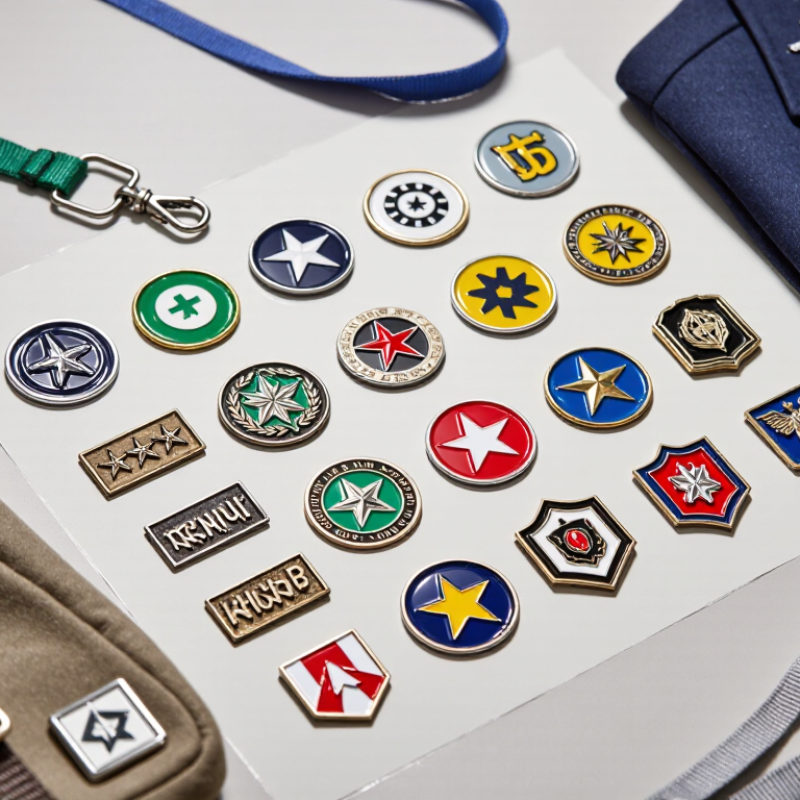
What Are Badge Pins and How Are They Used?

Definition and Key Features of Badge Pins

Badge pins are small, wearable markers attached to clothing, bags, uniforms, or fabric displays. They usually contain a printed, embossed, or enamel-coated face, plus a fastening system such as a clutch, safety pin, or magnetic backing. Their compact size makes them easy to distribute and store.

The key features are visibility, weight, finish, and attachment security. A 25–32 millimeter pin can show a simple symbol clearly without feeling heavy on a shirt. Metal edges create a firm outline, while soft enamel gives the surface a slightly textured appearance. A 2023 promotional-products impressions study reported that 85% of recipients could remember an advertiser after receiving a promotional item. It also found that many recipients kept useful items for more than a year. Badge pins are less practical than pens, but their visual identity can be stronger.

They are used for event identification, staff roles, membership signals, campaign participation, and collectible series. Designers should test the clasp before production. Loose fittings can damage fabric or disappear during movement. Color contrast matters too, especially under indoor lighting. A tiny slogan may look attractive on screen but become unreadable on metal. That mistake is common. Industry sizing guidance often recommends limiting badge artwork to one main symbol and a few words. This is not a strict rule, but it improves recognition. A 2024 promotional merchandise market report also linked product usefulness and design quality with stronger retention, although badge-pin results vary by audience, setting, and distribution method.

What Are Badge Pins and How Are They Used?

Badge pins are small wearable identifiers made from metal, enamel, printed artwork, or molded materials. They are commonly attached to clothing, bags, uniforms, and display boards for identification, decoration, recognition, or event participation.

How to read the chart: The comparison uses a practical 1–5 suitability scale, where 5 represents a strong fit for the listed use. Attachment security, visibility, reusability, and decorative flexibility are key features that influence how badge pins are selected.

Common Materials, Shapes, Sizes, and Design Elements

Badge pins are small, wearable signs used for identification, promotion, membership, or personal expression. Their materials affect both appearance and durability. Zinc alloy and stainless steel create a solid, polished feel. Aluminum is lighter and resists corrosion. Soft enamel adds recessed color, while hard enamel creates a smoother, glass-like surface. Acrylic can produce bright illustrations, though its edges may scratch more easily.

Common shapes include circles, rectangles, shields, stars, and custom silhouettes. Round pins suit simple symbols. Shield shapes support formal organizations. Detailed silhouettes need careful line spacing. Most everyday badge pins measure between 0.75 and 1.25 inches. Larger sizes show more artwork but feel heavier on thin fabric. Butterfly clutches work well for short-term use. Rubber backs feel quieter. Magnetic backs protect clothing, but their holding strength needs testing.

The Promotional Products Association International reported approximately 25.8 billion dollars in North American promotional-product sales in 2023. That figure shows the continuing value of physical branded items, including wearable accessories. The Advertising Specialty Institute’s impression research also found that useful promotional products can create repeated brand exposure over time. Pins are smaller, so their reach depends heavily on placement and design. In production practice, high contrast improves recognition from a distance. Tiny text often fails. I still see impressive mock-ups weakened by crowded details. A simple border, two colors, and one clear symbol usually perform better. Sampling matters. The final metal finish can differ slightly from a digital preview.

How Badge Pins Are Made and Attached

Badge pins are compact identity tools used on uniforms, bags, event lanyards, and display boards.
Their production usually starts with a digital drawing. A manufacturer converts that drawing into a metal mold or casting model. Brass, iron, aluminum, or stainless steel may form the base. Die striking creates sharp outlines, while casting suits thicker, sculpted shapes.

Color comes next. Soft enamel leaves recessed lines slightly visible, while hard enamel creates a smoother, glass-like surface. The piece is then polished, plated, and inspected for uneven edges, bubbles, or loose color. According to the 2023 ASI Ad Impressions Study, promotional products generate an average of 5,053 impressions during their useful life. That figure makes durability important, not decorative. A weak coating can ruin repeated exposure.

Attachment choice changes the pin’s performance. Butterfly clutches work well on lightweight fabric. Rubber clutches feel secure and resist scratching. Screw posts suit heavier pins, especially on bags or thick jackets. Magnetic backs protect delicate clothing, but they may shift during movement.

I have found that testing the finished pin on the actual material catches problems early. The best drawing can still fail with the wrong backing.

Tips: Request a physical sample before bulk production. Check its edge, plating, color depth, and fastening strength. Leave enough space between design lines. Tiny details often disappear after stamping, and that mistake is easy to underestimate.

Main Uses of Badge Pins in Different Settings

What Are Badge Pins and How Are They Used?

Main Uses of Badge Pins in Different Settings

Badge pins are small identification or decorative items worn on clothing, bags, or fabric displays. They usually include a printed symbol, short message, or simple image. Their value depends on clear design, secure attachment, and suitable placement. In offices, pins can identify departments, roles, or participation in internal programs. A colored pin may help visitors recognize staff quickly.

At conferences and public events, badge pins support registration and group recognition. Organizers may use different designs for speakers, volunteers, guests, and exhibitors. A clear design helps people start conversations without checking a long name list. Schools and training centers often use pins for achievements, club membership, or attendance milestones. Students can display them on a uniform or canvas bag.

Community groups may use badge pins during fundraising walks, cultural festivals, or awareness activities. A small pin can show support while remaining easy to distribute. Commemorative pins also mark anniversaries, completed projects, or team achievements. They create a physical reminder of shared work. However, a pin is not a perfect identifier. I have seen similar colors confuse visitors, especially in crowded rooms. Pin backs can also loosen during active movement. Staff should test the clasp, inspect sharp edges, and choose durable materials for repeated use. Placement matters too. A heavy pin may damage thin fabric or become uncomfortable after several hours. Simpler designs often work better from a short distance.

How to Choose, Wear, and Maintain Badge Pins

What Are Badge Pins and How Are They Used?

Badge pins are small identification or decorative pieces attached to clothing, bags, or fabric displays. They may show a role, achievement, membership, event, or personal interest. Choosing one should begin with purpose, not appearance alone. Consider the pin’s size, weight, backing, and surface finish. A lightweight metal pin suits shirts, while a larger piece may work better on a sturdy jacket.

Keep it simple. Place the pin where it is easy to see but does not interfere with movement. A uniform may require a specific position, so check workplace or event guidelines before attaching it. Push the clasp firmly through the fabric, then test the pin with a gentle tug. Avoid placing sharp posts near delicate materials, loose knits, or children’s clothing.

My own mistake was ignoring fabric tension; a heavy pin left a small, permanent mark.

Maintenance is straightforward but still matters. Wipe the surface with a soft, dry cloth after regular use. For metal parts, use only a mild cleaner suitable for that material, and avoid soaking the backing. Store pins in a dry box or fabric pouch to reduce scratches and moisture exposure. Inspect the post and clasp regularly. Replace damaged fasteners before wearing the pin outside. Some finishes naturally develop small changes over time, and that is not always a defect. However, peeling, sharp edges, or loose components deserve prompt attention.

FAQS

What are badge pins used for?

Badge pins identify event staff, members, participants, or supporters. They also decorate shirts, bags, uniforms, and fabric displays. Their small size makes storage easy.

What size works well for a badge pin?

Sizes between 0.75 and 1.25 inches suit everyday use. A 25–32 millimeter pin can show one clear symbol. Larger pins display more artwork but may pull thin fabric.

Which materials are commonly used?

Zinc alloy and stainless steel feel solid and polished. Aluminum is lighter and resists corrosion. Acrylic creates bright illustrations, but its edges may scratch more easily.

What shapes are suitable for different designs?

Round pins suit simple symbols. Shield shapes suggest formal roles. Rectangles hold short messages. Custom silhouettes can look distinctive, but narrow lines may disappear during production.

What is the difference between soft and hard enamel?

Soft enamel leaves recessed color and a slightly textured surface. Hard enamel creates a smoother, glass-like finish. The better choice depends on touch, budget, and visual style.

Which backing should be selected?

Butterfly clutches suit lightweight fabric and short-term use. Rubber backs feel quieter and help prevent scratches. Screw posts support heavier pins on bags or thick jackets. Magnetic backs protect delicate clothing, but they can shift while moving.

How are badge pins produced?

Production usually begins with a digital drawing. A mold or casting model forms the basic shape. The piece is colored, polished, plated, and inspected. Edges, bubbles, loose color, and weak fittings need checking.

How can designers make badge artwork easier to recognize?

Use one main symbol, a simple border, and strong color contrast. Keep words short. Tiny slogans often become unreadable on metal. A design may look excellent on screen, yet fail on the finished pin.

Why should a physical sample be tested?

Digital previews cannot show every surface difference. A sample reveals color depth, plating, edge quality, and clasp strength. Test it on the real shirt, bag, or jacket. I sometimes underestimate this step. That can become an expensive correction.

Conclusion

Badge Pins are small decorative or identification accessories designed to be attached to clothing, bags, hats, uniforms, or other fabric surfaces. They typically feature a flat front with artwork, text, symbols, or insignia, along with a fastening mechanism on the back. Common materials include metal, enamel, plastic, and printed paper or film, while popular shapes range from circles and squares to custom outlines. Sizes can vary from subtle mini pins to larger statement pieces, with design elements such as contrasting colors, raised details, polished finishes, and clear lettering.

Badge Pins are produced through processes such as stamping, molding, printing, coating, or engraving, then fitted with a clasp, clutch, magnet, or safety-style attachment. They may be used for identification, event participation, team organization, personal expression, recognition, or decoration in educational, professional, community, and recreational settings. Choosing the right pin involves considering its purpose, size, material, comfort, and attachment security. To keep Badge Pins attractive and functional, wear them on suitable fabrics, avoid excessive moisture and impact, and store them in a dry place when not in use.

Ethan

Ethan

Ethan is a seasoned marketing professional with a deep expertise in our company's innovative product line. With a passion for sharing knowledge and insights, he takes the lead in regularly updating our corporate blog, where he explores industry trends, product features, and effective marketing......